September 16, 2026
Floors experience daily wear from foot traffic, furniture, pets, moisture, and countless other sources. Over time, even well-maintained surfaces can begin to show signs of damage that affect both their appearance and performance. Some problems are primarily cosmetic, while others may indicate deeper issues that require professional attention. Scratches, cracks, stains, warping, and loose materials can develop for different reasons depending on the type of flooring installed. Addressing these concerns early can help prevent additional deterioration and preserve the condition of the surface. Professional repair and replacement methods vary based on the material, the extent of the damage, and the condition of the underlying subfloor. Homeowners should understand that not every damaged floor requires a complete replacement. Knowing the most common types of floor damage and how professionals address them can make it easier to determine the right solution for a property.
Repairing Scratches and Surface Scuffs
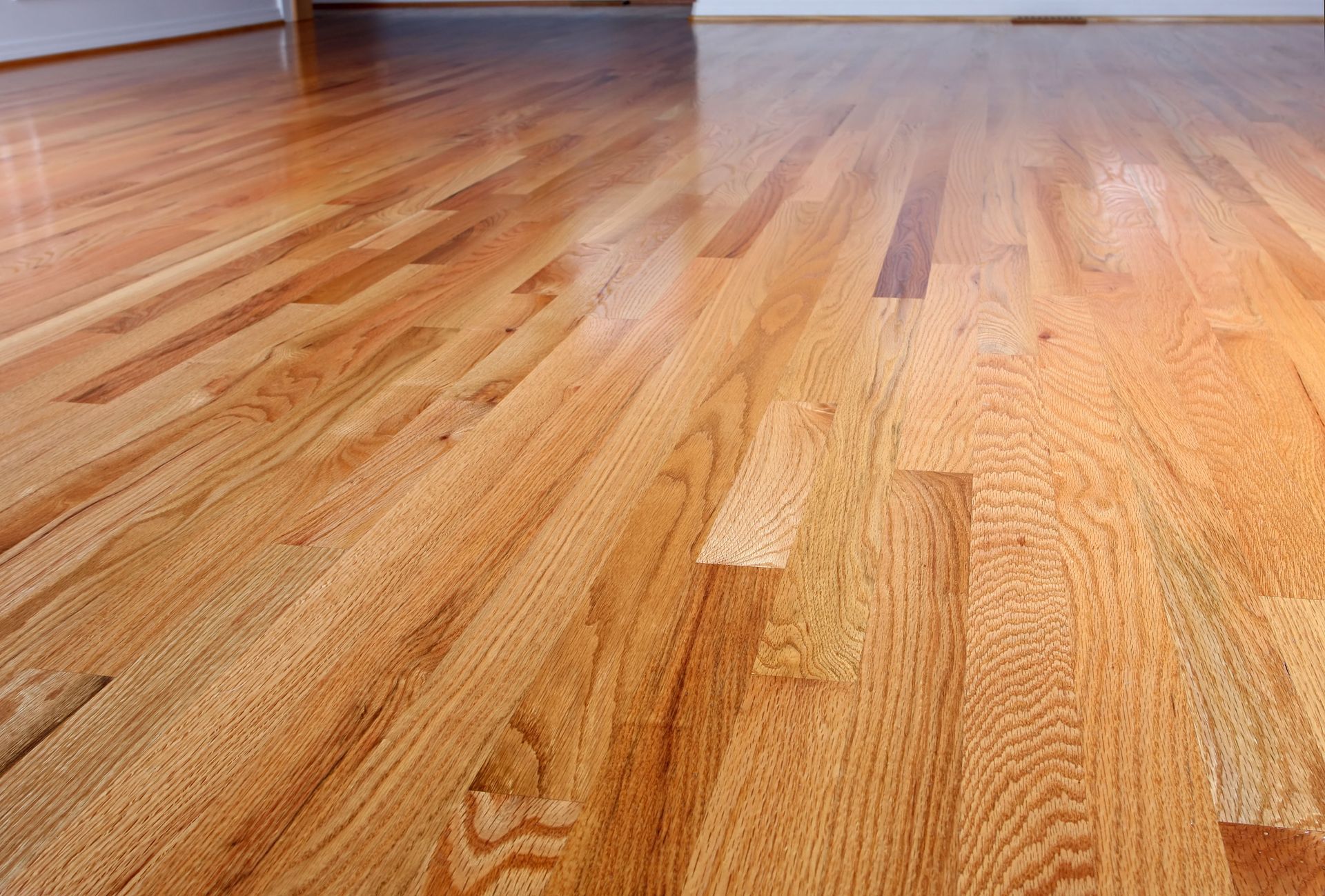
Scratches and scuffs are among the most common types of damage found on residential and commercial floors. Furniture movement, pet claws, shoes, and dropped objects can all leave visible marks on the surface. Hardwood flooring may develop scratches in high-traffic areas, especially near entryways and frequently used walkways. Some minor scratches can be addressed through refinishing or surface treatments, depending on the material. More serious damage may require more extensive repairs to restore a consistent appearance. A professional flooring service can evaluate whether the damage affects only the protective finish or extends into the flooring material itself. Technicians may use specialized products and techniques to improve the appearance of the affected area. Taking steps to repair surface damage can help extend the life of the flooring and prevent minor marks from becoming more noticeable over time.
Addressing Cracks and Broken Materials
Cracks can develop in several types of flooring, including tile, hardwood, laminate, and concrete. The cause may range from impact damage to shifting foundations, temperature changes, or problems beneath the surface. Cracked tiles can sometimes be replaced individually if matching materials are available. Hardwood boards may require repair or replacement when splits become significant. The underlying cause should also be considered because replacing a damaged piece without addressing the source of the problem may lead to future damage. Professionals can inspect the flooring and surrounding area to determine whether movement or moisture is contributing to the issue. A flooring service may recommend targeted repairs when the damage is isolated to a small section. Proper repairs can restore the appearance of the floor while helping property owners avoid unnecessary full-scale replacement.
Correcting Water and Moisture Damage
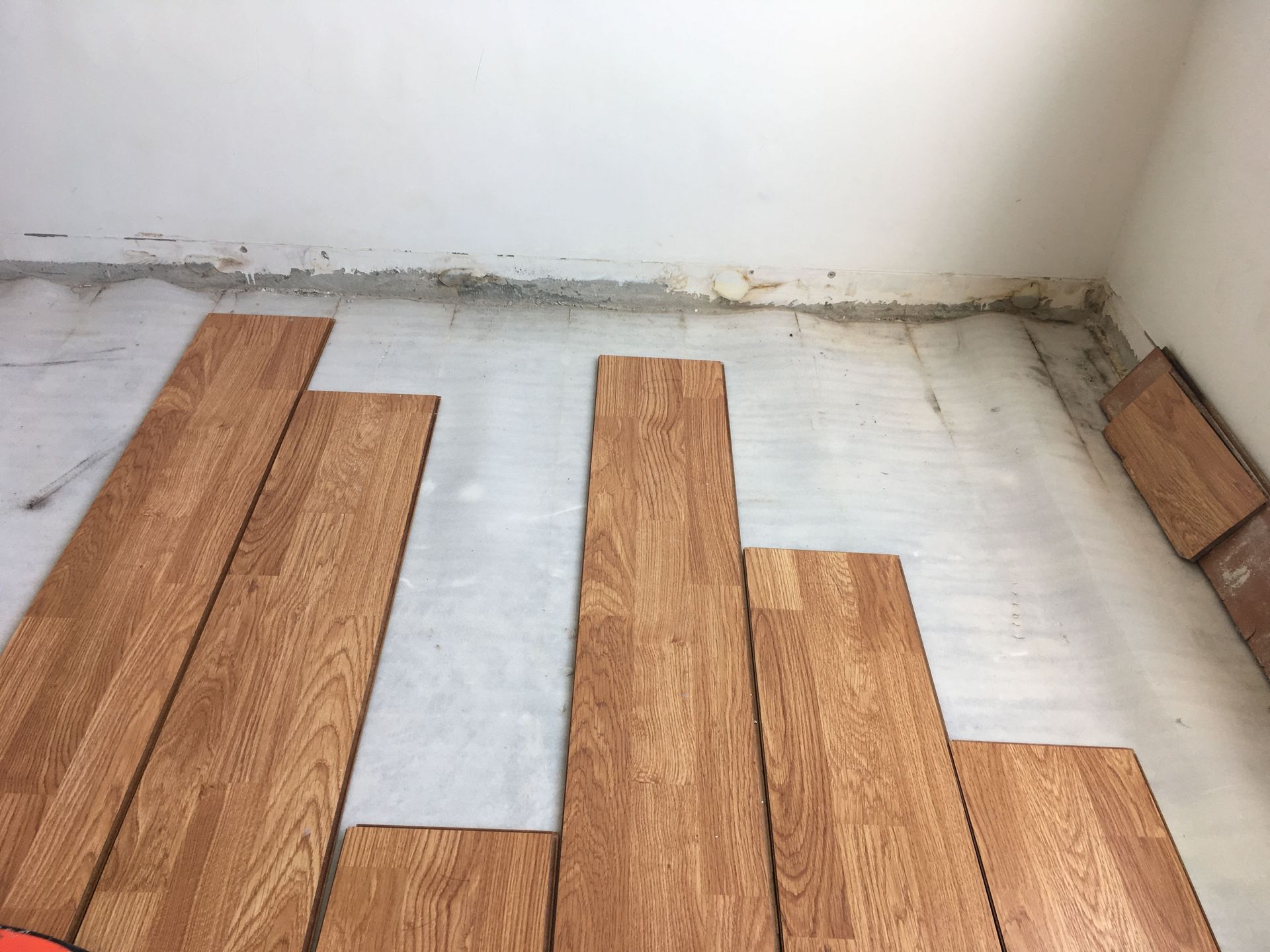
Water can cause significant problems for many flooring materials when it reaches the surface or penetrates beneath it. Hardwood may swell, cup, or warp after exposure to excessive moisture. Laminate and certain other materials can separate or deteriorate when water reaches their core layers. Tile may appear resistant to water, but moisture can still affect grout, subflooring, or improperly sealed areas. The first step in addressing water damage is identifying and stopping the source of the moisture. Professionals may then evaluate whether the affected materials can be dried and restored or need to be replaced. A flooring service can also inspect the subfloor to determine whether hidden moisture has created additional concerns. Addressing water-related damage promptly can help reduce the spread of deterioration and protect the structural components beneath the finished floor.
Restoring Warped and Uneven Floors
Warping and uneven surfaces can make a floor both unattractive and uncomfortable to walk on. Moisture is one of the most common causes of warping, particularly with natural wood materials. Temperature and humidity changes can also cause certain flooring products to expand and contract. In some cases, improper installation or an uneven subfloor may contribute to the problem. Professionals must first determine whether the finished flooring itself is damaged or whether the issue begins below the surface. Repair methods may involve replacing affected boards, correcting moisture problems, or preparing the subfloor more thoroughly. According to The Spruce, luxury vinyl planks are nearly five times thicker than traditional sheet vinyl, giving them a semi-rigid structure that differs from thinner vinyl products. Understanding the material involved is important because different flooring types require different approaches when addressing warping or unevenness.
Removing Stains and Discoloration
Stains can affect the appearance of flooring even when the material remains structurally sound. Spills, pet accidents, cleaning products, and prolonged exposure to sunlight can all contribute to discoloration. Some stains remain on the surface, while others penetrate deeper into the material. Hardwood may sometimes be sanded and refinished to remove or reduce visible staining. Carpet stains may require professional cleaning methods depending on the substance and how long it has been present. Tile and vinyl surfaces can also develop discoloration when certain products or chemicals affect their finishes. A flooring service can assess whether the affected area can be cleaned, restored, or replaced. Professional guidance can help property owners avoid using harsh products that could make existing discoloration or surface damage worse.
Fixing Loose and Shifting Sections
Flooring materials that feel loose or move underfoot should be inspected before the problem becomes more extensive. Tiles can loosen when adhesive fails or when movement occurs beneath the surface. Hardwood and laminate planks may shift because of installation problems, changes in humidity, or damage to the locking system. Loose flooring can create gaps that collect dirt and moisture over time. It may also create a tripping hazard for people walking through the affected area. Professionals can determine whether individual pieces can be secured or whether a larger section requires repair. In some situations, correcting the issue may involve replacing damaged materials and preparing the underlying surface. Prompt attention can help prevent loose sections from spreading and affecting a larger portion of the floor.
Repairing Dents and Impact Damage
Heavy objects and sudden impacts can leave dents or other visible damage on flooring surfaces. Hardwood is particularly vulnerable to dents when heavy furniture is dropped or moved without adequate protection. Softer flooring materials may also develop permanent indentations from furniture legs or heavy equipment. The repair process depends on the severity of the damage and the type of material involved. Some minor dents may be reduced through specialized restoration methods. More serious damage may require replacing individual boards, planks, or tiles. A flooring service can help determine whether restoration is practical or whether replacement will produce a better long-term result. Using protective pads and taking care when moving heavy objects can help reduce the risk of similar damage in the future.
Preventing Damage Through Professional Care
While some floor damage is unavoidable, regular maintenance can help reduce unnecessary wear. Different materials require different cleaning methods and maintenance schedules to remain in good condition. Using the wrong cleaning products can damage finishes or leave behind residue that affects the surface. Entry mats can help reduce the amount of dirt, moisture, and debris brought into the home. Furniture pads can also protect floors from scratches and dents caused by movement. Regular inspections can help identify developing problems before they become larger repair projects. Professional
flooring service providers can offer recommendations based on the specific material installed in the property. Combining proper daily care with occasional professional attention can help extend the life and appearance of many flooring systems.
Floor damage can develop gradually or occur suddenly, depending on the cause and the material involved. Scratches, cracks, moisture damage, stains, warping, and loose sections each require a different approach to repair. Understanding the source of the problem is often just as important as repairing the visible damage. Professional assessment can help property owners determine whether a simple repair or a larger restoration project is necessary. Addressing problems early may help prevent additional damage and protect the investment made in the property's flooring. Regular maintenance can also reduce the effects of everyday wear and help preserve the surface for longer. With the right repair methods and ongoing care, many common flooring problems can be effectively addressed. A well-maintained floor can continue providing comfort, durability, and visual appeal throughout a home or commercial property.
If your floors are showing signs of damage, Ideal Custom Flooring LLC is ready to help. Contact us today to discuss professional repair, restoration, and flooring solutions designed to improve the appearance and performance of your space.